
 ×
×MiniCart
Your cart is currently empty.
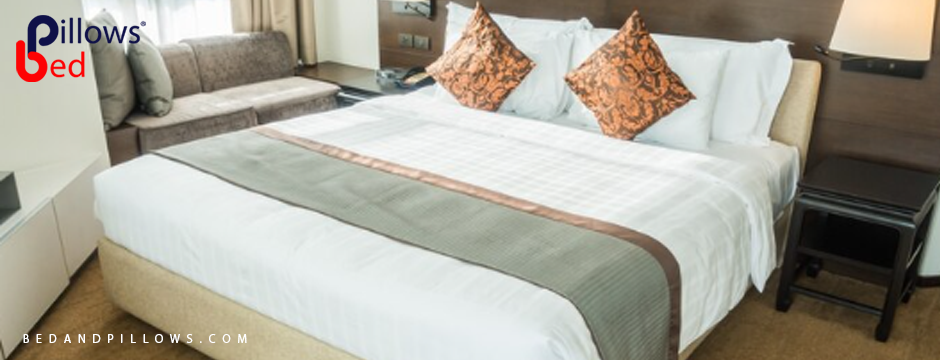
In hot climates, sleep quality often declines for a simple reason: overheating. Many people invest in air conditioning, cooling sheets, or lighter blankets, yet still wake up sweating or restless. The overlooked factor is usually the mattress itself.
In regions like the UAE, where temperatures remain high for most of the year and humidity fluctuates, mattress material plays a critical role in temperature regulation. This leads to an important question: Is a latex mattress truly worth it in hot weather, or is it just another premium trend?
To answer that properly, we need to examine the real problem first heat retention and then evaluate whether latex offers a practical solution.
Your body naturally cools down to initiate deep sleep. When the surrounding environment including your mattress traps heat, that cooling cycle is disrupted. The result?
The issue is not just room temperature. It's heat buildup between your body and the mattress surface. Some materials absorb and hold warmth longer than others, creating a microclimate that becomes uncomfortable during the night.
Certain mattress types, especially traditional memory foam, contour deeply around the body. While that hugging effect improves pressure relief, it also reduces airflow. Dense foam layers act as insulation, holding body heat close to the sleeper.
Innerspring mattresses allow more airflow through coils but may rely heavily on foam comfort layers above the springs. If those layers are thick and dense, heat retention still becomes an issue.
This creates a gap in the market: sleepers need a material that balances pressure relief, support, and breathability particularly in hot regions.
Latex differs structurally from standard foam. Natural latex contains an open-cell composition and often features small ventilation channels that encourage airflow. Instead of allowing you to sink deeply, latex provides buoyant support that keeps more air circulating around the body.
Here's how that helps in hot weather:
Latex promotes better ventilation compared to dense foam. Air channels allow body heat to dissipate rather than accumulate.
Natural latex resists moisture buildup and is less prone to mold or mildew a benefit in humid environments.
Unlike traditional foam, latex doesn't create a strong heat-trapping effect. While it isn't actively it maintains a more neutral sleep surface.
Understanding whether latex is worth it requires comparison.
Memory foam offers contouring but can retain heat. Even gel-infused options may still trap warmth over time. Latex, being more responsive and breathable, generally performs better in temperature regulation.
Pocket spring mattresses allow airflow between coils. However, their cooling performance depends on the comfort layers above the springs. A spring system topped with thick foam may still retain heat.
A hybrid model combining pocket springs with latex layers often provides both airflow and balanced support.
Traditional polyurethane foam tends to retain the most heat and degrade faster in high temperatures. Latex typically offers greater durability in warmer environments.
Not all latex is the same.
For hot climates, natural latex tends to offer better long-term performance.
Beyond cooling, comfort preference matters.
Latex provides:
If you prefer a mattress that keeps you lifted rather than deeply cradled, latex may feel more comfortable especially in warm weather, where less sinkage means better airflow.
Heat can accelerate the breakdown of lower-quality foams. Over time, this leads to sagging and reduced support.
Natural latex is known for durability. It maintains shape and resilience longer than many standard foam materials, making it a practical consideration in climates where prolonged heat exposure is common.
In the UAE, sleep challenges are not seasonal year-round. Even with air conditioning, temperature fluctuations at night are common. This makes mattress construction more important than in moderate climates.
Many mattress buyers focus primarily on firmness level without evaluating material composition. The result? A comfortable mattress in winter that feels uncomfortably warm in summer.
This is where selecting climate-suited options becomes critical.
For example, mattress specialists like Bed and Pillows address a common problem in the UAE market: shoppers often struggle to differentiate between cooling marketing claims and genuinely breathable constructions. Instead of focusing solely on firmness categories, retailers that offer natural latex models or latex-hybrid combinations give customers alternatives designed for airflow in warm environments.
The benefit here is practical rather than promotional. When a retailer curates options specifically suited for UAE conditions such as ventilated latex layers or latex combined with pocket springs it reduces the risk of buying a mattress that feels comfortable in-store but overheats at home.
A latex mattress becomes particularly worthwhile if:
However, latex may not be ideal if you strongly prefer deep body contouring or are working within a strict budget.
Even the most breathable mattress can underperform if paired with the wrong accessories.
To enhance cooling:
Mattress performance is part of a larger sleep system. Retailers that provide complete bedding solutions including breathable protectors and pillows help address heat issues holistically rather than in isolation. This integrated approach benefits sleepers in hot climates who need more than just a single material upgrade.
Natural latex mattresses typically cost more than basic foam models. However, cost should be evaluated against:
In hot regions, investing in a breathable, durable material may prevent repeated mattress changes caused by sagging or discomfort.
For many sleepers in warm climates, the answer leans toward yes.
Latex offers:
While no mattress can completely eliminate the effects of extreme heat, choosing a breathable construction significantly reduces nighttime overheating.
In markets like the UAE, where temperature is a constant factor, selecting a mattress should go beyond softness or brand popularity. Evaluating material performance especially latex and latex-hybrid options can lead to more consistent, comfortable sleep.
Ultimately, a latex mattress is not just a luxury upgrade. In hot weather, it can be a functional investment in better rest provided it aligns with your comfort preferences and is sourced from a retailer that understands climate-specific sleep needs.

