
 ×
×MiniCart
Your cart is currently empty.
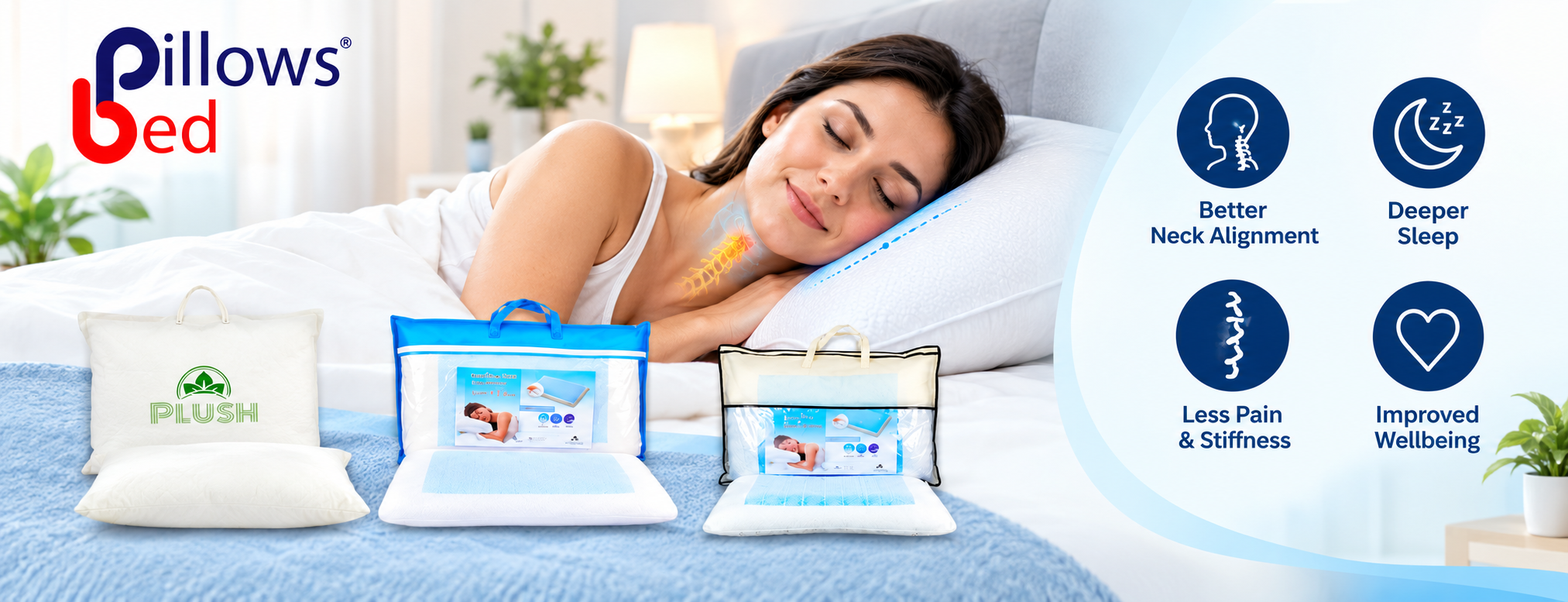
A peaceful night’s sleep can make a remarkable difference to your energy, mood, and overall well-being. However, waking up with neck stiffness, shoulder tension, or discomfort can affect your entire day. One often-overlooked factor is the pillow you use every night. Choosing the best pillow for neck support can help maintain a comfortable sleeping posture, encourage proper spinal alignment, and reduce unnecessary pressure on your neck muscles. Understanding pillow materials, firmness, height, and sleeping positions can help you make an informed decision and enjoy more comfortable, restful nights.
Your neck supports the weight of your head while allowing you to turn, bend, and move comfortably. During sleep, the muscles surrounding your neck need an opportunity to relax. An unsuitable pillow may push your head too far forward, allow it to drop backward, or tilt it sideways for several hours.
Over time, an uncomfortable sleeping position can contribute to morning stiffness, muscle tension, and interrupted sleep. A suitable pillow helps keep your head and neck aligned with the rest of your spine while accommodating your natural sleeping posture.
Finding the best pillow for neck support is not simply about choosing the softest or most expensive option. Instead, consider whether the pillow maintains a comfortable position throughout the night without creating excessive pressure.
Although individual needs vary, several practical considerations can help you select a pillow that supports healthier sleeping habits.
Pillow height, sometimes called loft, determines how much your head is elevated during sleep. A pillow that is too high may bend your neck forward, while one that is too low may allow your head to tilt downward or sideways.
Side sleepers generally need enough height to fill the space between their head and shoulder. Back sleepers often benefit from a moderate-height pillow that supports the natural curve of the neck without pushing the chin toward the chest.
Stomach sleepers usually require a thinner pillow to reduce excessive neck rotation and extension. Your body size, shoulder width, mattress firmness, and personal comfort also influence the appropriate height.
Memory foam is popular because it responds to body heat and pressure, gradually adapting to the shape of your head and neck. This contouring effect can distribute pressure more evenly and provide a stable sleeping surface.
A quality memory foam pillow in UAE can be a useful option for people who prefer cushioning with consistent support. Some designs feature contoured shapes that accommodate the neck, while others offer a traditional rectangular profile.
When choosing memory foam, consider its firmness, ventilation, shape, and ability to retain its support over time. Cooling materials or ventilated construction may also improve comfort for people who tend to feel warm during sleep.
Feather pillows offer a traditional sleeping experience with a soft, airy feel. Their flexible filling can be adjusted by fluffing or reshaping the pillow, making them appealing to people who prefer a less structured surface.
However, feather pillows may require regular adjustment to maintain their height. If the filling compresses significantly during the night, your head may not receive consistent support.
For anyone seeking a pillow for neck pain, the most important consideration is whether the pillow maintains comfortable alignment rather than whether its filling feels luxurious. People with feather allergies should also check the filling and covering materials carefully before purchasing.
The way you sleep plays a crucial role in determining which pillow offers the right comfort and support.
Side sleepers: Look for sufficient height and firmness to keep your head level with your spine.
Back sleepers: Choose a pillow that supports the natural curve of your neck without lifting your head excessively.
Stomach sleepers: Consider a low-profile pillow to limit awkward neck positioning.
Combination sleepers: Choose a comfortable, adaptable pillow that accommodates your movements throughout the night.
The best pillow for neck support should complement your preferred sleeping position while allowing your muscles to relax naturally. If you frequently change positions, pay attention to how easily the pillow maintains its shape and support.
A supportive pillow does not necessarily have to feel hard. Instead, it should provide enough resistance to prevent your head from sinking too deeply while offering comfortable cushioning around pressure-sensitive areas.
When evaluating a pillow, consider the following characteristics:
Consistent support: The filling should maintain a suitable height throughout the night.
Comfortable materials: The surface should feel pleasant against your skin and suit your temperature preferences.
Suitable firmness: Your head should feel supported without excessive pressure.
Durability: Quality construction helps the pillow retain its shape with regular use.
Easy maintenance: Removable, washable covers can help maintain cleanliness.
A contoured design may appeal to people seeking an orthopedic pillow in Dubai, particularly if they prefer additional structure around the cervical region. Nevertheless, no single pillow shape works for everyone, and a specialised design does not automatically guarantee pain relief.
Comfort and sleep quality are closely connected. When your head and neck remain in a comfortable position, you may experience fewer interruptions caused by pressure or awkward posture. A suitable pillow can also help you settle into sleep more easily by creating a supportive and relaxing sleeping environment.
However, pillows are only one part of healthy sleep habits. A comfortable mattress, a consistent bedtime, reduced evening screen exposure, and a cool, quiet bedroom can also contribute to better rest.
If you are searching for a doctor recommended pillow, remember that recommendations should reflect your individual needs rather than general advertising claims. A healthcare professional can help you understand whether your discomfort is related to sleeping posture or requires further assessment.
Persistent neck pain, numbness, tingling, weakness, or pain following an injury should be evaluated by a qualified healthcare professional instead of being managed through pillow changes alone.
Many people choose pillows based entirely on softness, appearance, or price. While these factors may influence comfort, they do not necessarily indicate adequate neck support.
Avoid choosing a pillow simply because it is marketed as suitable for every sleeping position. Similarly, do not assume that a very firm pillow will provide better alignment than a moderately supportive one.
Another common mistake is ignoring changes in comfort over time. Flattened filling, uneven surfaces, and reduced support may indicate that your pillow needs replacing. Follow the manufacturer's care instructions, clean pillow covers regularly, and inspect the filling for signs of wear.
Ultimately, the best pillow for neck support is one that works with your sleeping position, provides appropriate height, and feels comfortable enough to use consistently. Allow yourself time to adjust to a new pillow, particularly if its shape differs considerably from your previous one.
At Bed and Pillows, we believe better sleep begins with the right comfort and support. Our collection includes memory foam, cooling, feather, and children's pillows designed to suit different preferences and needs. We bring together practical choices, quality-focused designs, and accessible prices to help you find your ideal sleeping companion. Explore our range, compare available styles, and let us help you create a more comfortable bedtime routine with pillows that support your personal sleep preferences.
A comfortable night begins with understanding what your body needs. Pillow height, firmness, filling, and sleeping position all influence how well your head and neck remain supported while you rest. Rather than choosing a pillow based on trends or marketing promises, focus on comfort, consistent support, and proper alignment.
The best pillow for neck support is ultimately the one that suits your body, complements your sleeping habits, and helps you wake up feeling more comfortable. By making a thoughtful choice and maintaining healthy sleep routines, you can take a practical step towards more restful nights and brighter mornings.
The ideal pillow maintains natural neck alignment and suits your sleeping position, body shape, and preferred firmness.
Yes, memory foam can contour to your head and neck, distribute pressure, and provide consistent support throughout the night.
Side sleepers generally benefit from a medium-to-high loft pillow that fills the gap between the head and shoulder while keeping the neck aligned.
Feather pillows can provide soft, adjustable comfort, but they may require frequent fluffing to maintain adequate height and support.
Choose a height that keeps your head level with your spine. Your sleeping position, shoulder width, and mattress firmness all influence the ideal height.
Replace your pillow when it becomes flattened, lumpy, loses its support, or no longer feels comfortable. Follow the manufacturer's care and replacement recommendations.
A supportive pillow may help reduce stiffness associated with poor sleeping posture. Persistent or severe neck pain should be assessed by a healthcare professional.

